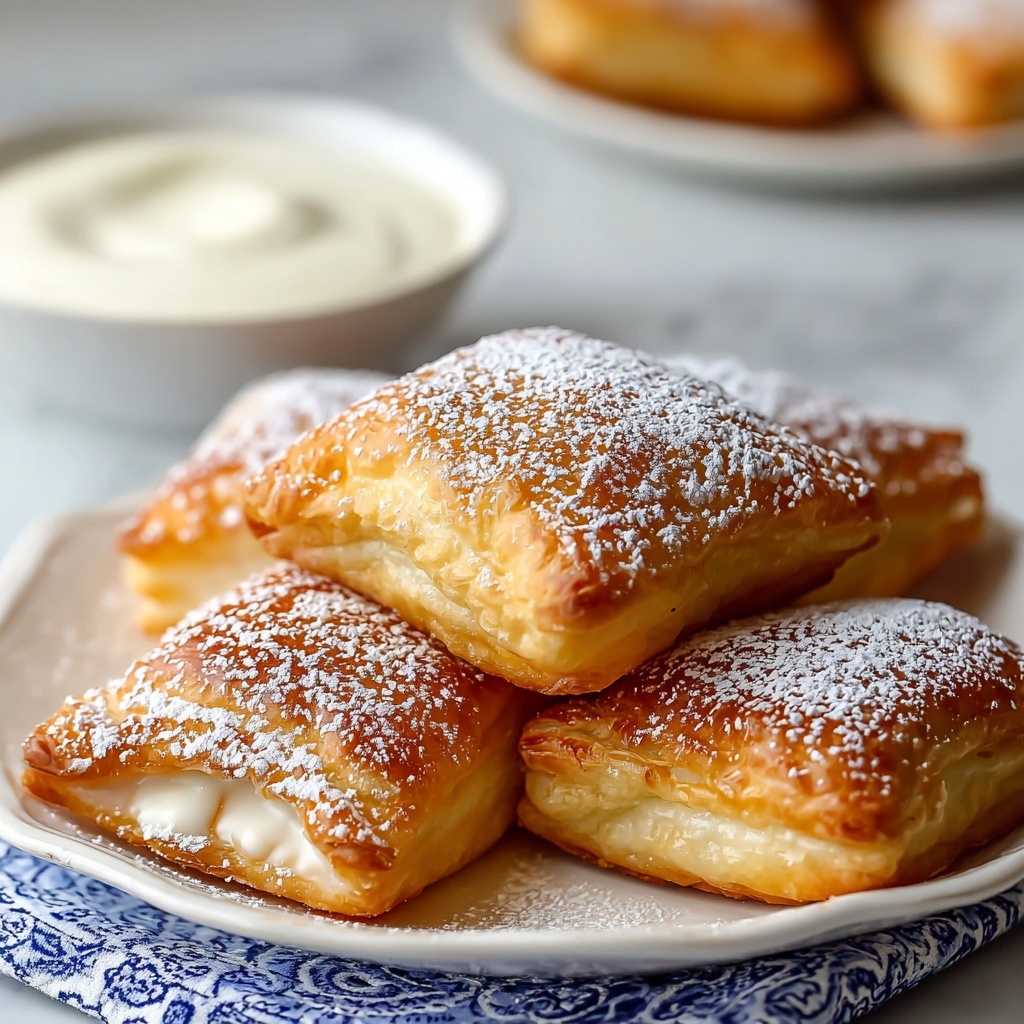
If you’re craving a sweet, pillowy delight that melts in your mouth and brings a little French café magic to your kitchen, look no further than this Vanilla French Beignets Recipe. These golden, airy treats are crisp on the outside with a soft, tender inside, and the subtle hint of vanilla takes them to a whole new level of deliciousness. Whether you’re serving them for breakfast, dessert, or a special snack, this recipe will quickly become one of your all-time favorites!
Ingredients You’ll Need
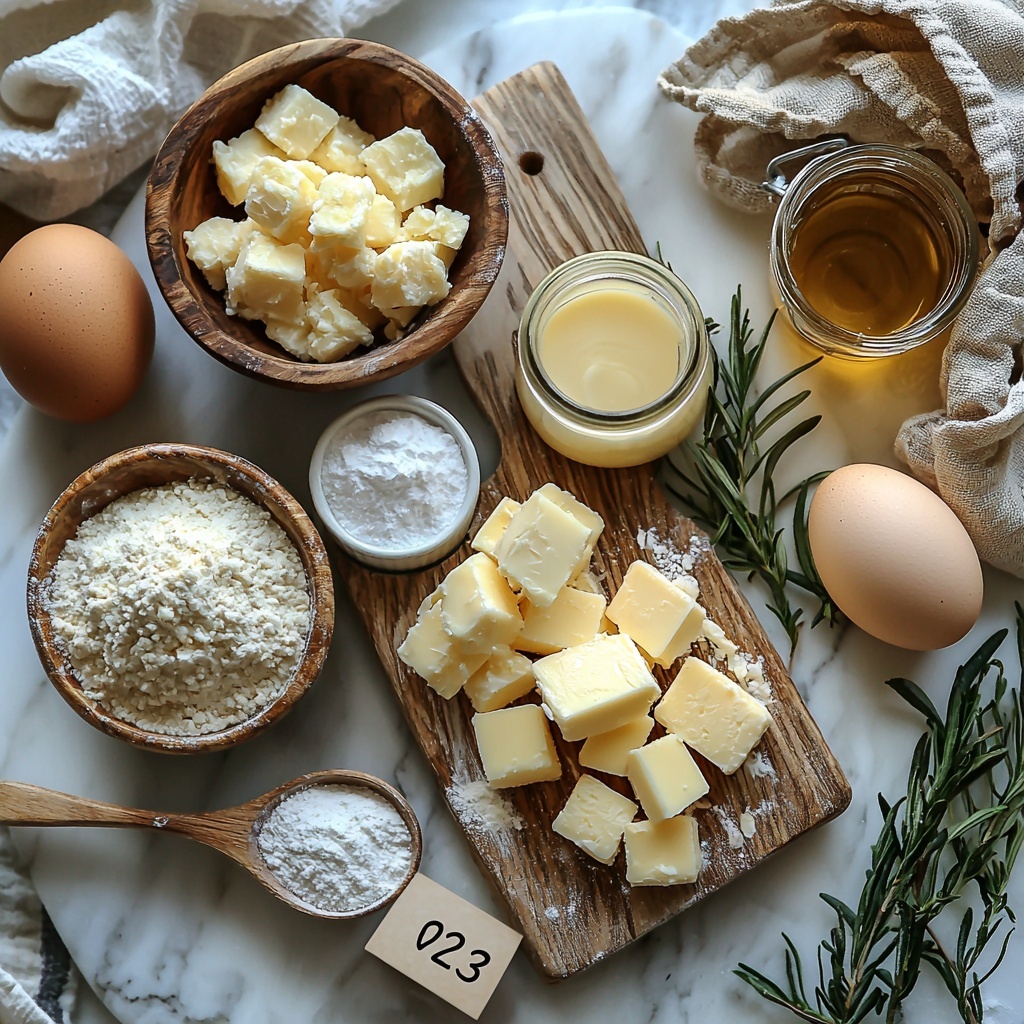
Don’t let the simplicity of these ingredients fool you—they work together harmoniously to create the perfect balance of flavor, texture, and color that makes these beignets so irresistible.
- Active dry yeast (2 ¼ teaspoons): This is what gives your dough the lift and airy texture, making the beignets light and fluffy.
- Warm milk (¾ cup): Adds moisture and richness while activating the yeast; keep it around 110°F for best results.
- Granulated sugar (¼ cup): Sweetens the dough just enough without overpowering the subtle vanilla flavor.
- Large eggs (2): Provide structure and richness to the dough so your beignets have a tender crumb.
- Vanilla extract (1 teaspoon): The star flavor that makes this Vanilla French Beignets Recipe extra special and fragrant.
- Melted unsalted butter (3 tablespoons): Imparts a lovely buttery flavor and keeps the beignets moist on the inside.
- Salt (½ teaspoon): Balances the sweetness and enhances all the other flavors beautifully.
- All-purpose flour (3 cups, plus more for dusting): The base of the dough, giving structure and a perfect texture when fried.
- Vegetable oil (for frying): Use a neutral oil with a high smoke point to achieve that classic golden exterior.
- Powdered sugar (for dusting): The final flourish that adds sweetness and a pretty snowy finish.
How to Make Vanilla French Beignets Recipe
Step 1: Activate the Yeast
Start by dissolving your yeast in the warm milk and let it sit for 5 to 10 minutes until it becomes foamy. This is the magic moment where your dough begins its journey to becoming light and airy. Make sure your milk isn’t too hot, or you’ll risk killing the yeast!
Step 2: Mix the Wet Ingredients
Next, stir in the sugar, eggs, vanilla extract, melted butter, and salt. Each component here adds to the richness and flavor of your dough—the eggs and butter especially bring that tender crumb we all love in good beignets.
Step 3: Incorporate the Flour & Knead
Gradually add in the flour until you get a soft dough forming. Then transfer it to a lightly floured surface and knead for about 5 to 7 minutes until smooth and elastic. This kneading helps develop the gluten, which is essential for that perfect chewy-yet-soft texture.
Step 4: Let the Dough Rise
Pop your dough into a greased bowl and cover it with a towel or plastic wrap. Leave it in a warm place to rise for 1 to 1½ hours — it should double in size. This step is critical for achieving that iconic, fluffy beignet.
Step 5: Shape and Cut the Beignets
Once risen, roll the dough out on a floured surface to about half an inch thick. Cut the dough into 2 to 3 inch squares or rectangles—whatever shape speaks to you. These pieces will puff up beautifully in the oil, so give them enough space!
Step 6: Fry to Golden Perfection
Heat about 2 inches of vegetable oil in a deep pan to 350°F (175°C). Fry the beignets in batches, flipping after 1 to 2 minutes per side, until they’re puffed and golden brown. Use a slotted spoon to gently transfer them to a paper towel-lined plate to drain excess oil.
Step 7: Dust and Serve Warm
The best part comes last: generously dust your warm beignets with powdered sugar. The snow-like coating adds just the right amount of sweetness and makes each bite a little celebration.
How to Serve Vanilla French Beignets Recipe
Garnishes
While classic powdered sugar is perfect, don’t hesitate to get creative. A light dusting of cinnamon mixed with powdered sugar can add a lovely warm spice. Fresh berries, a drizzle of honey, or even a side of vanilla custard can elevate your serving game dramatically.
Side Dishes
These beignets pair wonderfully with a robust cup of coffee or a creamy hot chocolate for a cozy treat. You might also try serving them alongside fresh fruit salad to balance the richness with some zesty freshness.
Creative Ways to Present
Want to impress guests? Stack your beignets into a charming tower, tied with a ribbon for a brunch table centerpiece. Or serve them in a basket lined with a colorful napkin for a rustic, inviting look. Mini dipping bowls with flavored syrups like caramel or berry coulis can add an interactive twist.
Make Ahead and Storage
Storing Leftovers
If you have any leftovers (and trust me, that might be rare), store them in an airtight container for up to two days at room temperature. Keep in mind, beignets are best fresh but will still taste lovely if stored properly.
Freezing
You can freeze un-fried dough balls after shaping but before frying; place them on a baking sheet in the freezer until solid, then transfer to a freezer bag. When you’re ready, fry them directly from frozen—just add an extra minute or two to the frying time.
Reheating
To bring back that fresh-from-the-fryer taste, reheat beignets in a preheated 300°F oven for about 5-7 minutes. This keeps them crisp on the outside while warming the inside without getting soggy.
FAQs
Can I use instant yeast instead of active dry yeast?
Absolutely! Just mix instant yeast directly with the flour and reduce the proofing time slightly, since instant yeast acts faster than active dry.
Why is my dough not rising?
If your dough isn’t doubling in size, your yeast might be old or your milk too hot or too cold. Always use fresh yeast and make sure your milk is warm but not hot for the perfect rise.
Can I bake these instead of frying?
Baking beignets is possible but you won’t get the same crisp, golden exterior or that traditional texture. If you try, bake at high heat and brush lightly with butter for the best results.
How do I know when the oil is hot enough?
Use a thermometer to reach about 350°F. If you don’t have one, drop a small piece of dough into the oil; it should bubble and rise to the surface quickly without turning dark right away.
Can I add other flavors to this Vanilla French Beignets Recipe?
Definitely! A pinch of nutmeg or lemon zest in the dough adds subtle complexity. You can even dip them in flavored sugar for a fun twist.
Final Thoughts
There’s something truly special about making Vanilla French Beignets Recipe from scratch—the aroma fills your kitchen, and each warm, sugar-coated bite feels like a hug from a French café. Whether you’re sharing with loved ones or indulging yourself, this recipe brings joy and a little culinary magic to any day. So go ahead, dive in and make these irresistible treats your new go-to!
Print
Vanilla French Beignets Recipe
- Prep Time: 20 minutes
- Cook Time: 15 minutes
- Total Time: 2 hours
- Yield: 20–24 beignets
- Category: Dessert, Breakfast
- Method: Frying
- Cuisine: French
- Diet: Vegetarian
Description
Vanilla French Beignets are fluffy, deep-fried pastries coated with powdered sugar, perfect for a sweet breakfast or dessert. Made with a yeast-leavened dough infused with vanilla, these golden treats are crispy on the outside and soft on the inside, offering a delightful French-inspired indulgence.
Ingredients
Dough Ingredients
- 2 ¼ teaspoons active dry yeast (1 packet)
- ¾ cup warm milk (about 110°F)
- ¼ cup granulated sugar
- 2 large eggs
- 1 teaspoon vanilla extract
- 3 tablespoons unsalted butter (melted)
- ½ teaspoon salt
- 3 cups all-purpose flour (plus more for dusting)
For Frying and Serving
- Vegetable oil (for frying)
- Powdered sugar (for dusting)
Instructions
- Activate Yeast: In a large mixing bowl, dissolve the yeast in the warm milk and let it sit for 5–10 minutes until foamy to ensure the yeast is active.
- Mix Dough Ingredients: Stir in the sugar, eggs, vanilla extract, melted butter, and salt into the yeast mixture. Gradually mix in the flour until a soft dough forms.
- Knead the Dough: On a lightly floured surface, knead the dough for about 5–7 minutes until it becomes smooth and elastic, which helps develop gluten for structure.
- First Rise: Place the dough in a greased bowl, cover with a towel or plastic wrap, and let it rise in a warm place for 1–1½ hours or until doubled in size.
- Shape Beignets: Once risen, roll the dough out on a floured surface to about ½-inch thickness. Cut into 2–3 inch squares or rectangles as desired.
- Heat Oil: Heat about 2 inches of vegetable oil in a deep pan to 350°F (175°C), critical for frying evenly and achieving golden color.
- Fry Beignets: Fry the beignets in batches for 1–2 minutes per side, or until golden brown and puffed. Avoid overcrowding the pan to maintain oil temperature.
- Drain Excess Oil: Use a slotted spoon to transfer the fried beignets to a paper towel-lined plate to drain excess oil.
- Serve: Dust generously with powdered sugar and serve warm for the best flavor and texture.
Notes
- Beignets are best enjoyed fresh but can be reheated in the oven at 300°F for a few minutes to regain warmth and slight crispness.
- For a flavor twist, add a pinch of cinnamon to the powdered sugar before dusting.
- Serve with jam, vanilla custard, or honey on the side for added indulgence.