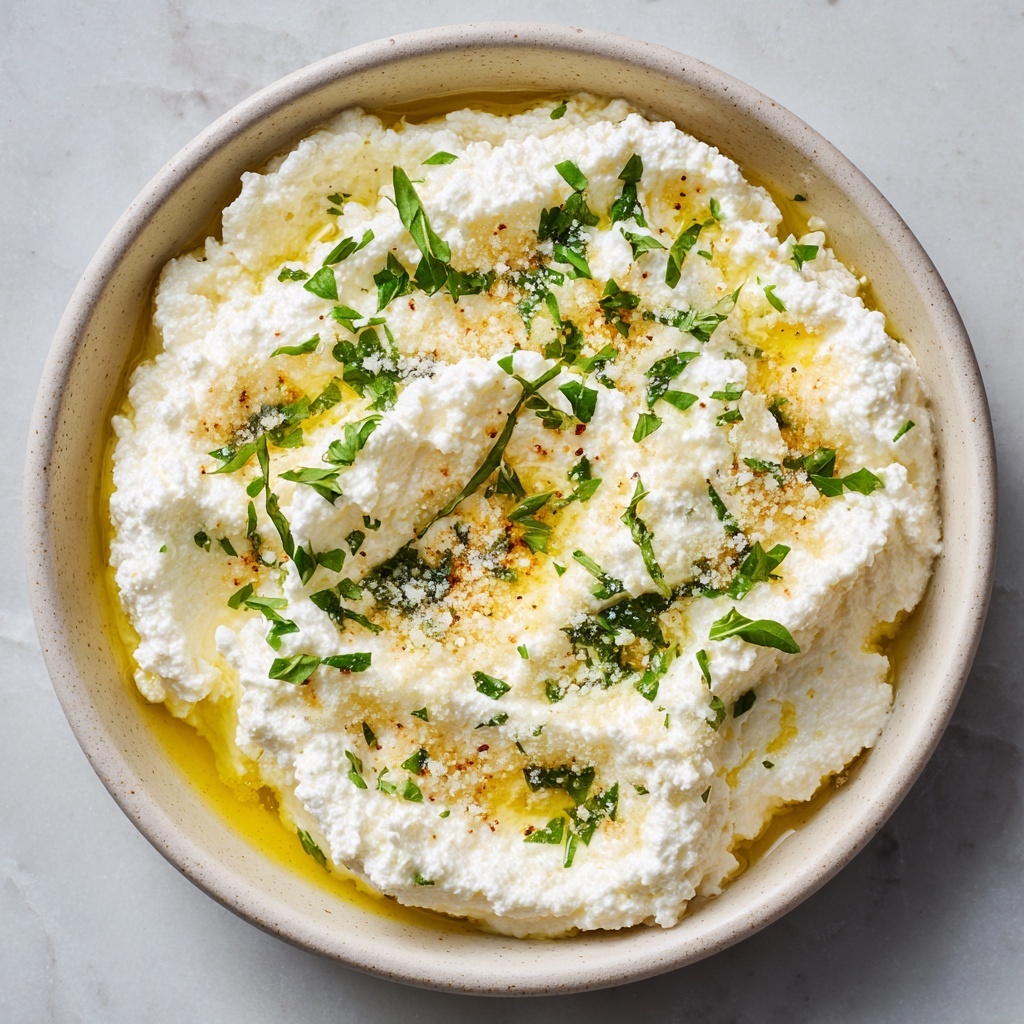
If you have ever dreamed of crafting a fresh, creamy cheese in your own kitchen that bursts with authentic Italian charm, then this Sicilian Homemade Ricotta Cheese Recipe is exactly the little culinary treasure you need. This recipe takes just a handful of simple, wholesome ingredients and transforms them into delicate, velvety ricotta that tastes like it came straight from a Sicilian farmhouse. It’s a hands-on, joyful experience that not only connects you to a centuries-old tradition but also yields a versatile cheese that will elevate everything from pastas to desserts. Whether you’re a cheese devotee or a curious home cook, making ricotta from scratch will feel like such a triumph, and I can’t wait to share every delicious detail with you.
Ingredients You’ll Need
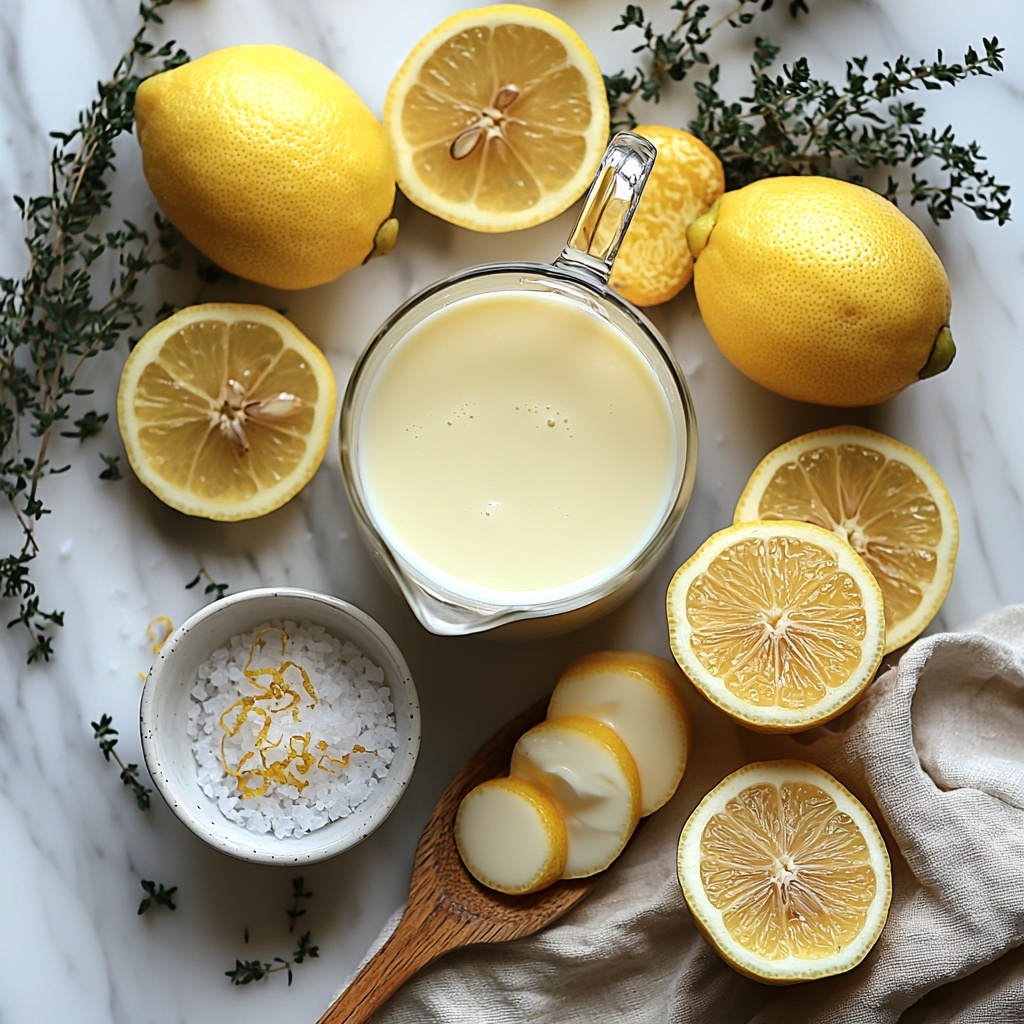
This Sicilian Homemade Ricotta Cheese Recipe relies on very few but essential ingredients, each chosen for their role in creating the perfect balance of taste, texture, and creaminess. Quality matters here, because every ingredient shines through in the final ricotta.
- 8 cups whole milk: The heart of the recipe, providing richness and body to your ricotta.
- 1 cup heavy cream: Adds lusciousness and a silky texture, making the cheese especially creamy.
- 1 teaspoon salt: Enhances the natural sweetness of the milk and balances the flavors beautifully.
- 3 tablespoons fresh lemon juice (or white vinegar): The gentle acid that curdles the milk just enough to create tender curds without bitterness.
How to Make Sicilian Homemade Ricotta Cheese Recipe
Step 1: Heat the Milk and Cream
Start by pouring the whole milk, heavy cream, and salt into a large heavy-bottomed pot. Heat this mixture slowly over medium heat, stirring occasionally to prevent scorching. Keep a close eye on the temperature – you want it to reach about 190°F, which is just below boiling, to coax the proteins out without breaking them down harshly. This gentle warming is key to developing the right texture and flavor.
Step 2: Add the Acid and Curds Form
Once your mixture hits the target temperature, remove it promptly from the heat and stir in the fresh lemon juice (or white vinegar) slowly but steadily. As you do this, magic begins: the milk immediately starts to curdle, forming soft, billowy curds that separate from the translucent whey. Let it sit undisturbed for 5 to 10 minutes – this pause lets the curds fully develop and ensures a perfect, tender crumb in the cheese.
Step 3: Strain the Curds
Next, prepare a fine-mesh strainer lined with clean cheesecloth and set it over a large bowl to catch the whey. Carefully ladle the curds into the strainer and allow them to drain at room temperature. The draining time is your flexibility point: 30 minutes gives you a softer, creamier ricotta, while up to an hour yields a firmer, sliceable cheese. Trust your preference and imagine all the dishes you’ll enhance with your freshly made ricotta.
Step 4: Chill and Store
Once drained to perfection, transfer the ricotta to a clean bowl, cover it tightly, and pop it into your refrigerator. Chilling improves the texture and keeps it fresh for sharing at your next meal. This homemade ricotta is best enjoyed within 3 to 4 days so you can savor its delicate freshness.
How to Serve Sicilian Homemade Ricotta Cheese Recipe
Garnishes
Fresh ricotta is a blank canvas for flavor, so simple garnishes can elevate it beautifully. Consider a drizzle of fragrant local honey or a sprinkle of flaky sea salt paired with cracked black pepper. For a savory twist, a tiny splash of extra virgin olive oil and some fresh herbs like basil or oregano bring out the cheese’s creamy notes. These little touches create a perfect balance of creamy, salty, and herbal goodness ideal for appetizers or snacks.
Side Dishes
This ricotta pairs wonderfully with both sweet and savory side dishes. Serve it alongside crusty grilled bread for a simple antipasto, or dolloped atop your homemade pasta or gnocchi for a delightfully creamy boost. Roasted vegetables, seasonal fruit like figs or pears, and even a fresh green salad with a lemon dressing make ideal companions to highlight the smoothness and freshness of this Sicilian Homemade Ricotta Cheese Recipe.
Creative Ways to Present
Take this ricotta adventure a step further by incorporating it into unique presentations. Use it as a filling in delicate cannoli shells or spread it onto crostini topped with sun-dried tomatoes and olives for a Mediterranean-inspired bite. It’s also a dreamy base for layered desserts topped with fresh berries and a dusting of powdered sugar. The possibilities feel endless and fun when your ricotta is homemade and utterly fresh!
Make Ahead and Storage
Storing Leftovers
Keep your leftover ricotta stored in an airtight container in the refrigerator to maintain its creamy texture and fresh flavor. Consume within 3 to 4 days for best taste. Stir gently before using as some liquid separation is natural.
Freezing
While fresh ricotta is best enjoyed fresh, you can freeze it if necessary. Place the cheese in a freezer-safe container, leaving some room for expansion. Thawed ricotta may be slightly grainier, so it’s ideal for cooked dishes like lasagna or baked goods rather than fresh applications.
Reheating
Ricotta is typically enjoyed cold or at room temperature, but if you need to warm it, do so gently in a double boiler or microwave at low power. Stir occasionally to keep it smooth and avoid overheating, which can alter its delicate texture.
FAQs
Can I use low-fat milk for this Sicilian Homemade Ricotta Cheese Recipe?
Low-fat milk will produce less creamy ricotta and result in a lighter texture that might not be as rich. Whole milk and cream are recommended to capture the luscious, authentic texture this recipe aims for.
What can I do with the leftover whey?
Don’t toss the whey! It’s packed with nutrients and makes an excellent addition to bread dough, soups, smoothies, or even as a cooking liquid for grains. Using it reduces waste and adds a subtle tang to various dishes.
Is fresh lemon juice better than vinegar?
Fresh lemon juice tends to give a cleaner, more delicate flavor, while white vinegar works just as well as the acid and may lend a slightly different but pleasant tang. Choose based on your flavor preference and what you have on hand.
How creamy or firm can I make the ricotta?
The draining time controls the texture: a shorter drain equals creamier cheese perfect for spreads, while a longer drain produces firmer ricotta suitable for slicing and baking. Experiment to find your favorite consistency.
Can I use this ricotta in desserts?
Absolutely! Homemade ricotta is perfect in Italian desserts like cannoli, cheesecakes, or simply served with fresh fruit and honey. Its fresh flavor adds a delightfully light and creamy element that you won’t find in store-bought versions.
Final Thoughts
Making your own Sicilian Homemade Ricotta Cheese Recipe may sound intimidating at first, but it’s truly a rewarding process that brings a touch of Italy into your kitchen. The freshness, creaminess, and simplicity of this cheese will inspire you to explore new dishes and savor every bite. Trust me, once you try making ricotta from scratch, you’ll wonder how you ever lived without it. So go ahead, roll up your sleeves, and dive into this beautiful, delicious tradition.
Print
Sicilian Homemade Ricotta Cheese Recipe
- Prep Time: 10 minutes
- Cook Time: 20 minutes
- Total Time: 30 minutes plus 30–60 minutes draining
- Yield: 2 cups ricotta
- Category: Basic Recipe, Cheese
- Method: Stovetop
- Cuisine: Sicilian, Italian
- Diet: Vegetarian, Gluten Free
Description
This authentic Sicilian homemade ricotta cheese recipe is a simple and traditional way to create fresh, creamy ricotta using just whole milk, heavy cream, salt, and an acid like lemon juice or white vinegar. Perfect as a base for Italian dishes or enjoyed fresh, this method ensures a deliciously soft texture and rich flavor right from your stovetop.
Ingredients
Ingredients
- 8 cups whole milk
- 1 cup heavy cream
- 1 teaspoon salt
- 3 tablespoons fresh lemon juice (or white vinegar)
Instructions
- Combine Ingredients: In a large heavy-bottomed pot, combine the whole milk, heavy cream, and salt. Stir gently to mix all ingredients evenly.
- Heat Milk Mixture: Place the pot over medium heat and slowly heat the mixture, stirring occasionally to prevent scorching, until it reaches 190°F (just below boiling point).
- Add Acid: Remove the pot from heat and slowly stir in the lemon juice or white vinegar. This acid helps the milk to curdle and separate into curds and whey.
- Let Curds Form: Allow the mixture to sit undisturbed for 5 to 10 minutes. During this time, you will see curds beginning to form and separate from the clear whey.
- Drain Curds: Line a fine-mesh strainer with cheesecloth and place it over a large bowl. Carefully ladle the curds and whey into the strainer, allowing the whey to drain away. Let it drain for 30 to 60 minutes, depending on whether you desire a creamier or firmer cheese.
- Store Ricotta: Transfer the drained ricotta curds into a clean bowl, cover, and refrigerate until ready to use. Fresh ricotta is best consumed within 3 to 4 days.
Notes
- For a richer ricotta, use all whole milk without adding cream.
- The leftover whey can be repurposed in bread dough, soups, or smoothies, adding a nutritious boost.
- Fresh ricotta is best eaten within 3–4 days to enjoy optimal flavor and texture.